Science paper Thursday
I originally wrote this as a thread over on my Mastodon but people seemed to find it interesting so I thought I’d share here too
I was scrolling through my feed the other day, as one does, and saw someone post a story from The Atlantic:
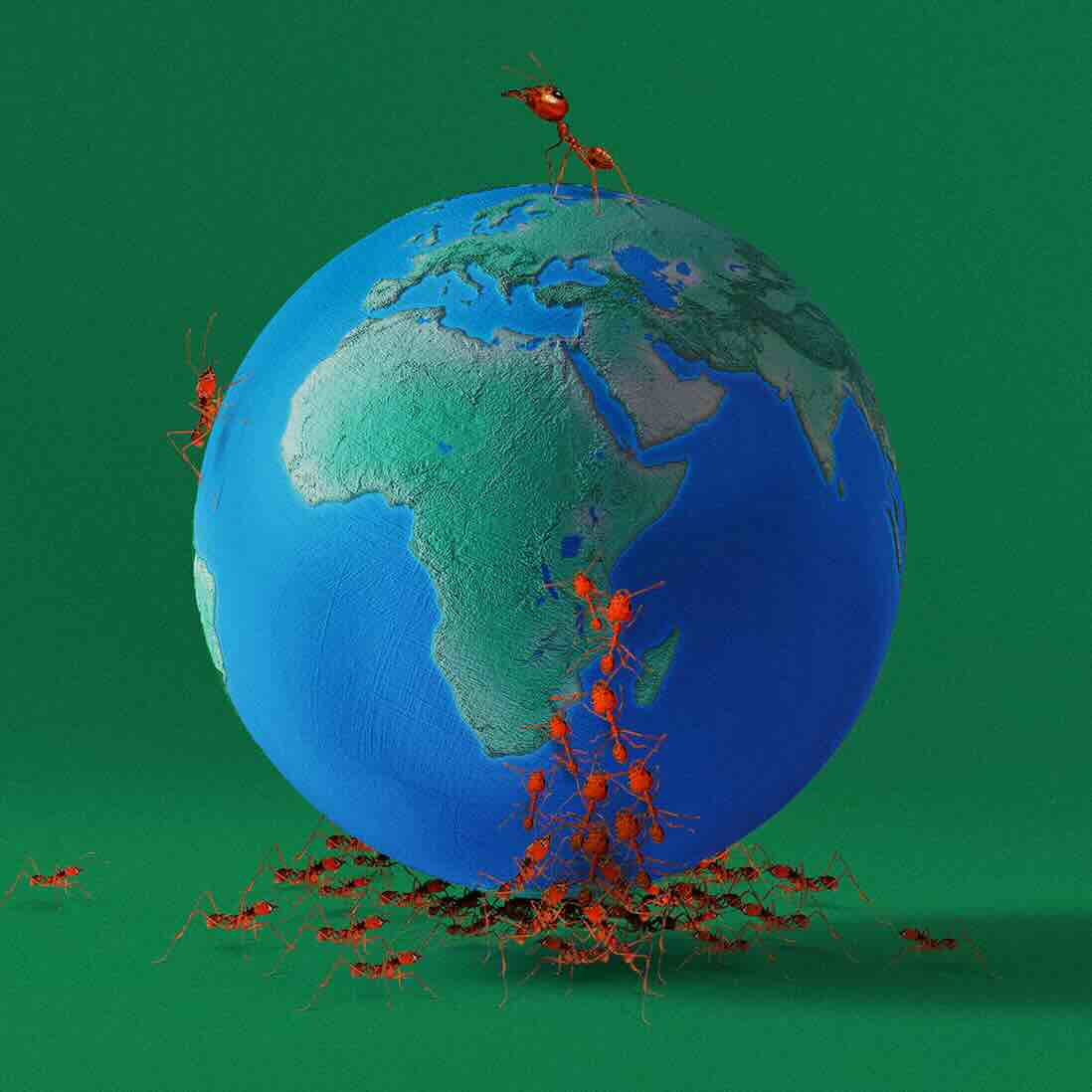
A few minutes later, I saw one from Science News:
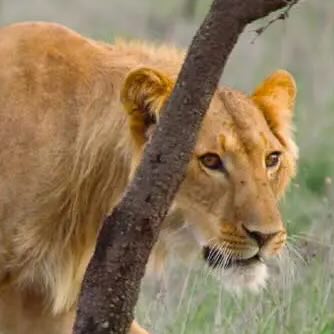
My first thought was, “Oh, it must be Thursday.” Why? On many a Thursday, you’ll see the science desks at many different news outlets publish similar stories, within a few minutes of each other. These stories are usually worth reading. They talk in-depth about a remarkable piece of research, usually published in the journal Science (no relation to Science News). The stories by good writers, at good outlets, will be well-reported, with quotes from not only the researchers themselves, but third-party experts, and maybe policymakers or practitioners (like doctors or conservationists or activists) affected by the story. And yet they’re all reporting on a paper that was posted online mere minutes before the stories published. How does this happen?
Embargoes
The answer is surprisingly simple: a media practice called the “embargo”. When a news-maker—be it company, government agency, or university—wants news coverage of something it’s about to announce, it will often let journalists know of the announcement ahead of time, “under embargo,” that is, on the condition that they won’t publish until a set time, often just after the public announcement. In theory, it’s win/win/win: The journalists get more time to report out their story, the news-maker gets a lot of detailed press coming out at the same time—especially valuable in the age of social media trends—and the public gets more well-researched stories.
Here’s how that works for Science specifically, where papers go online on Thursdays:
- At the beginning of each week, the AAAS,1 Science’s publisher, sends journalists a list of the papers going online that Thursday, as well as press releases for papers that may be particularly noteworthy for the public. These are posted behind a loginwall on EurekAlert, a platform that the AAAS maintains, and that other science news-makers also use; when I worked in a university press office, a lot of my work was preparing press releases, many of which would be posted, under embargo, to EurekAlert too. EurekAlert hosts many press releases that everyone can see, but to see the embargoed releases, journalists need to make account, and to promise not to break the embargo.
- Early in the week, say Tuesday, the publisher (AAAS) or the authors’ institution might organize a press conference so journalists can get quotes from the study’s authors.
- On Thursday, the Science paper, press releases on EurekAlert and on institutional websites, and news stories all go live—often within a few minutes of each other.
Access journalism
Embargoes are part of the complex choreography between journalists and PR. Journos and flacks rely on each other, but (when you’re doing journalism right!) they also work at cross-purposes: PR works for an institution—a company, a government, a university—so the story it wants to tell is a story that’s good for the institution. Journalists work for their customers (the public) and their bosses, so the story they want to tell is (optimistically) the one the public needs to know or (pessimistically) the one that serves their bosses (often by being sensational enough to sell ads/subscriptions against). For a given story, a journalist might be tempted to achieve first mover advantage by breaking the embargo—but embargoes, whether institutionalized through platforms like EurekAlert or PR Newswire or run as ad hoc e-mail lists on a single press officer’s computer, represent an ongoing relationship. If you break an embargo once, good luck getting stories in advance later on.
This makes embargoes a form of access journalism, in which journalists willingly give up some of their agency in shaping a story in return for access to the information they need to write it. For an ecological story about ants, I find this relatively benign. I wish more of the coverage of the lion/ant/zebra story had taken a more thoughtful or critical view of the term “invasive species,” (see below story by Marina for that angle!) but I don’t think anyone will be hurt by Science’s control over the narrative in this case.
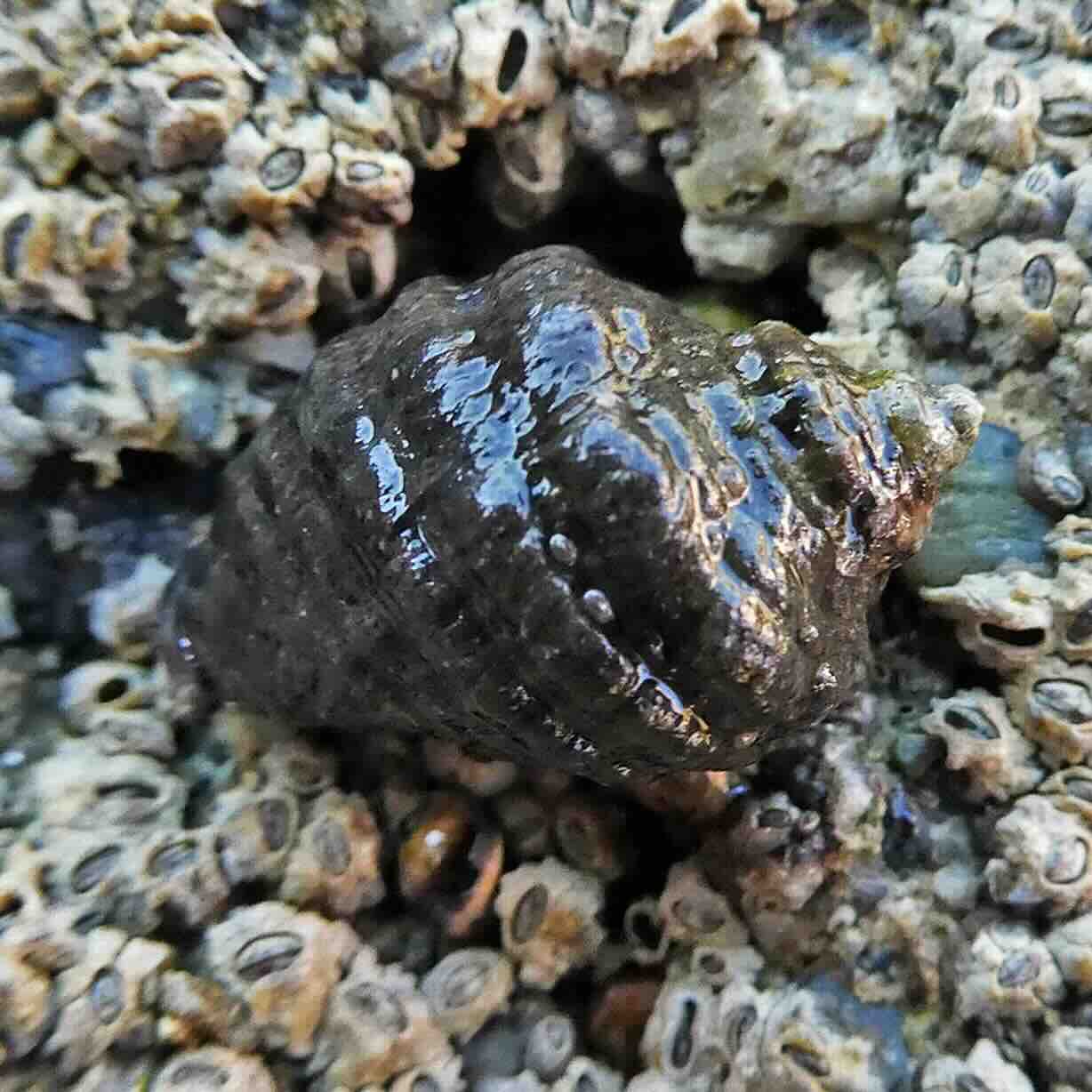
(Actually, in today’s tranche of Science studies, there’s a paper showing an interesting way that “invasiveness” [and “nativeness” and “ferality”] can be ecologically irrelevant: “Functional traits—not nativeness—shape the effects of large mammalian herbivores on plant communities”. Both Science and the University of Oxford put up press releases on EurekAlert about the study [though I don’t know how far ahead of time], but I didn’t see the same burst of coverage that the ant/lion/zebra story got last week. This could be for many reasons: it’s not as simple of a story; it doesn’t focus on a single charismatic example; the reporters on the Science press release beat already covered an “invasive species” story last week, people aren’t looking for a story that challenges the idea of “invasive species”… Even when you understand some of its dynamics, the news media can seem quite capricious!)2
Of course, it’s not only scientific institutions that use embargoes. When journalists start letting federal agencies, big companies, or even local police departments dictate what they cover and when, the potential public harm of the embargo becomes clear. Plenty of journalists are very conscientious about whose and what kind of embargo conditions they’ll agree to, but plenty aren’t, and it’s not a transparent process.
Shaping the story
And not every story that Science (or science in general!) tells will be as benign. Imagine if a venture-capital-funded biotech company collected a bunch of people’s DNA and promised that they’d be used for medical research—and then turned around and published a study of the genetics of homosexuality. In 2019, I covered a paper just like that, for which 23andMe had cooperated with university researchers to study the “genetic architecture of same-sex sexual behavior.” The reporting process went by the same timeline mentioned above: a Monday press release, Tuesday press conference, and Thursday afternoon publication date.
During the press conference, one of the authors said the research was important because it would have helped him, when he was a closeted gay teen, accept himself. But there are plenty of LGBTQ+ people who found the research dangerous. They weren’t the ones answering questions at the press conference. Much credit to my colleagues who, like me, went looking for them.3 But we had only two days to do so, and any sources we reached would only have hours to read and react to the study.
As a result, 23andMe had a lot of influence over the initial burst of coverage of the story. Initial stories (including mine!) were largely framed around the question of what did we learn from this? rather than should we have done this at all? This was the case even though the Broad Institute, home of several of the study’s authors, published a series of essays by Broad staffers concerned about the study’s ethics. Only later, in part in reaction to a direct-to consumer genetic testing app called “How Gay Are You?” did questions about the study’s harms and imperfect consent process come to the fore.
So what?
I don’t think journalists should simply stop honoring embargoes. God knows their jobs are hard enough, and getting harder. But I think it’s to everyone’s benefit that the behind-the-scenes processes that shape news coverage are a little more transparent. Not because they’re nefarious, but because we should know where our news is coming from, and who isn’t in the room when the story is told.
DIY Seitan!
And here’s the recipe I end every post with: Over winter break, I got really into DIY seitan. Seitan is a meaty, high-protein food made from gluten (wheat protein) and is at least 1500 years old. The recipe below makes a seitan sausage, and depending on how you flavor it can be used as a breakfast sausage, a sandwich meat, a pizza topping or more.
Ingredients
- 0.25 cups walnuts, chopped finely (you can use a food processor, but you want to leave some texture)
- Little bit of oil
- 0.25 medium onion, diced
- Herbs and spices of choice, probably about 2tbsp totalA
- 0.5 cup bread crumbs
- 2.25 cups vital wheat gluten
- 0.33 cups soy sauce
- 0.5 cups veggie broth or water (you may need to add up to 0.5 cups more)
ASpice Options: Italian sausage: Oregano, Basil, Parsley, Fennel, Red pepper flakes, Black pepper; “Chicken”: Onion powder, Garlic powder, Rosemary, Thyme, plus 2 Tbsp nutritional yeast mixed in with the dry ingredients. I’ve done others I’m forgetting now but you could also try, say, Pepperoni or Currywurst spices (if your chosen flavoring call for liquid, subtract an equivalent amount of veggie broth).
- In a saucepan over medium heat with no oil, toast walnuts for a few minutes, until they start to express their oil or are noticeably darker. Add oil and onion, saute until onions are transparent, then add spices to toast for a minute or two.
- In the meantime, mix bread crumbs and gluten in a large mixing bowl. When walnut mixture is finished, add to bowl.
- Add soy sauce and veggie broth and mix. The mixture will probably be too dry – add a little bit more water at a time until you have a workable but not sticky dough. Knead just enough to combine.
- Roll into a log, about 4 inches thick, and wrap first in parchment paper (optional) and then in aluminum foil (mandatory - though there are similar recipes that just cook the log unwrapped)
- Cook:
- If you have an instant pot or other pressure cooker, you can put about a cup of water in the pot, put the seitan on top, and then set the instant pot timer for 45 minutes (and allowing the pressure to release naturally for at least 10 minutes before venting).
- If you have a steamer basket, you can steam stovetop for 75 minutes.
- I think it’s best enjoyed cut-up and pan fried, but you can also slice up for pizza or sandwiches, or just have a big honking steak of it if you’re really confident in it, up to you!
This is Some Preliminary Thoughts, Bennett McIntosh’s blog. You can sign up for updates via email or rss, or unsubscribe here.
-
American Association for the Advancement of Science ↩
-
Since I hit publish on this post, good stories on the study in question have come out in, among other places, The Atlantic and The Hill. ↩
-
I don’t know whether any of the journalists at the press conference were themselves queer, or how they felt about the research if so. The extent to which journalists are able to draw on their own identities, and the ways that minoritized journalists are often treated as less objective than their colleagues, are a whole other can of worms. ↩